
Full disclosure may have a place in accounting, but when it comes to preparing for a career in the clergy, withholding some of what the role entails may be wise.
“If we really knew what it is to be a pastor, we couldn’t endure it,” author, scholar, theology professor and seasoned pastor Victor Shepherd told fellow pastors at a recent luncheon for area clergy on the Greenville University campus.
The “if we really knew” sentiment originated with St. John Vianney, 19th century patron saint of parish priests. Still, it resonated with Shepherd’s contemporary listeners, as did the personal experiences Shepherd shared and the deep empathy for pastoral ministry he expressed.
Borrowed Assurance, Shocking Evidence
Parishioners, he told the group, trust their pastor’s faith when “tragedy, turbulence or sin” assault their own. “They hope the pastor’s assurance concerning God’s truth and triumph will restore their assurance that God hasn’t abandoned them, despite shocking evidence to the contrary.”
He added that being a pastor means having the conviction of God’s truth and reality “so deep in one’s bloodstream that the suffering person will find the foundations of her life to be in place once more.”
This depth of passion coupled with scholarly study and sermon preparation compounds the pastor’s weekly challenges, but Shepherd reminded his colleagues of the inspiring company they keep—Hans Urs von Balthasar, John Calvin, Karl Barth—leading theologians who prized the pastoral role.
“Modern professors of theology who are full-time teachers are not the descendants of the reformation giants,” said Shepherd. “Scholarly pastors are.”
And congregants are not just friends who get along with us; “they mirror to us the mercy and patience and persistence of God himself.”
Connected, But Not Meaningfully
Shepherd addressed the challenges of meeting needs in today’s highly connected yet emotionally distant world. He referenced American artist Edward Hopper, whose paintings show persons seated in close proximity to one another, but looking away (Below, Nighthawks by Edward Hopper).
“It’s difficult for people to communicate intimately, heart to heart, spirit to spirit, deep to deep,” he said, “Such communication is rare because it is difficult, but it’s not so difficult and therefore so rare as to be nonexistent in congregational life.”
Seminary Enrollments Dip, But The Need For Compassion Persists
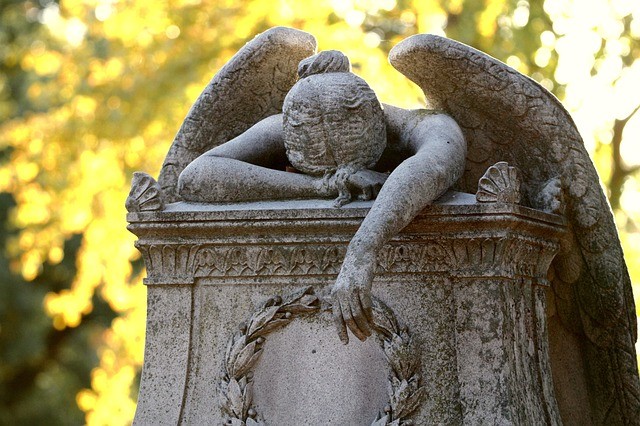
Shepherd’s message comes at a time, however, when seminary attendance is in decline, a trend some attribute to decline in church attendance.
In 2017, The Wall Street Journal cited data from The Association of Theological Schools showing a nearly 25 percent drop in enrollment at seminaries over the past decade. A 2017 study by the Barna Groupreported that only one in seven pastors are under 40 years of age.
At Tyndale Seminary where Shepherd teaches, only 11 percent of enrolled students say they are interested in pursuing pastoral care; far more express interest in counseling.
Still, Shepherd feels encouraged. Guiding, teaching and seeing parishioners through life’s challenges delivers a thrill. He quotes theologian John Calvin: “The pastor of the smallest congregation is ultimately involved in the restoration of the world.”
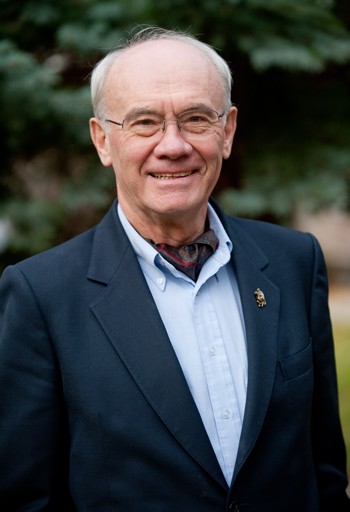
Victor Shepherd has served as a working pastor for four decades and holds particular interests in theology, faith and mental health. He teaches philosophy and theology at Tyndale University College and Seminary and is the author of 12 books including Mercy Immense and Free: Essays on Wesley and Wesleyan Theology.
A version of this article originally appeared on greenville.edu. Top image, “Nighthawks,” by Edward Hopper, is in the public domain.
 Morris Sampler