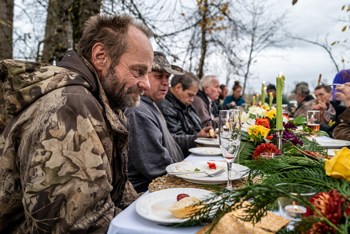
However you define DJ Vincent’s expertise—orchestrating, innovating, integrating, organizing, connecting—one thing is certain: the pastor/activist keeps an astounding number of plates spinning as he marshals all manner of community groups to help their city thrive.
The city? Salem, Oregon. The focus? Lately, helping homeless persons move into safer and healthier situations. The vision? When Salem’s most marginalized and vulnerable residents do well, Salem does well.
Safe space that provides a welcome pause
In recent months, DJ, deputy director of Salem Leadership Foundation (SLF), has pieced together a patchwork quilt of people and resources to build a managed community of 30 “micro shelters”—64-square foot Pallet homes that each holds two twin beds and space for personal belongings.
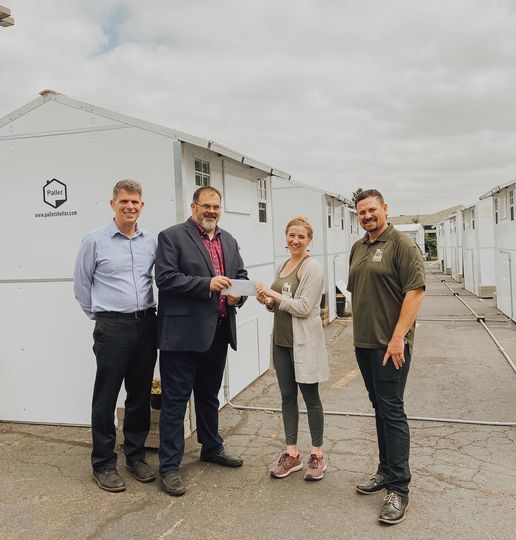
The tiny shelters, erected on a city-owned vacant lot, will function as transitional housing for guests who have “no safe and appropriate alternative place to stay,” and who agree to work on securing other housing to keep their stays brief.
“Managed” in part means staff on site 24/7; digital security; showers; food; transportation to appointments including alternate housing opportunities; and space for guests to access addiction, health, and job services—offerings that can stop the downward spiral that frequently accompanies homelessness.
Church at the Park
The community’s success will depend heavily on the work of friends and neighbors who comprise Church at the Park, a unique collaborative DJ helped to form and oversees as CEO. Church at the Park will manage the site.
In a video produced last year, DJ described Church at the Park as eight area churches and the unsheltered folks who need their services. Since 2007, the group has imagined and implemented ways to engage Salem’s marginalized homeless population through authentic friendship and relationship-building.
The Pallet shelter site going up this fall is Church at the Park’s third managed micro-community site in Salem.
“What the homeless need most is relationship,” says Sam Skillern, SLF’s executive director and champion for Church at the Park. “They need mentors, and they need friends. Thanks to Church at the Park, dozens and dozens of people have left the park for housing, sobriety, employment, and restoration to family and society.
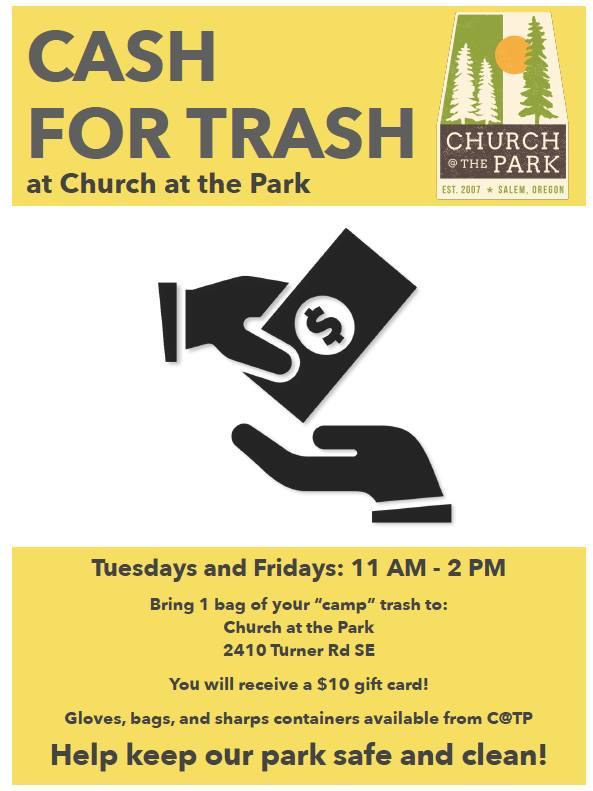
Church at the Park doesn’t follow the common “hierarchical” model of server and receiver. Instead, it includes the population it serves as co-laborers. The group’s “Cash for Trash” program exemplifies this approach. Last year, residents of homeless encampments in the Cascades Gateway Park redeemed full bags of trash for $10 gift cards.
More than shelter
Building community like this entails far more than securing a plot of ground and erecting shelters. People who manage the site receive training and reminders:
- that serving others is a privilege.
- that most homeless persons have experienced trauma, feel its impact, and may not even know they’ve been traumatized.
- that demonstrating empathy and preserving dignity go far in building relationships.
- that listening and understanding before responding often improves communication.
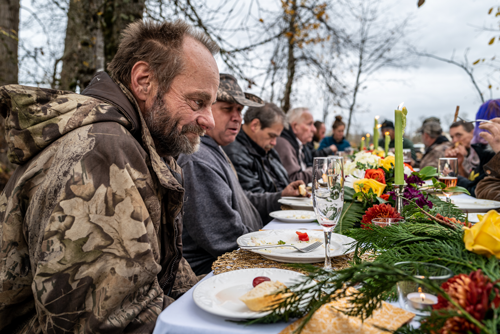
For DJ, engaging all parties in community includes working with city officials and listening to neighbors who oppose the project. Hefty measures of daily patience and grace help.
A networking guru
Partnerships leverage strength in numbers, know-how, vision, and skills. In addition to managing the micro-communities, Church at the Park teams collaborate with Marion Polk Food Share, the City of Salem, and Mid-Willamette Valley Community Action to meet various needs related to life on the margins.
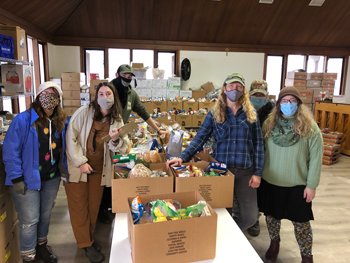
DJ’s gift for connecting resources and maximizing relationships runs deep. His bent toward collaboration engages half a dozen groups in Salem. He also serves as a senior fellow with Street Psalms, an organization that supports “a global network of training hubs committed to developing incarnational leaders in vulnerable communities.”
In an interview for The Statesman Journal, DJ once said, “I like to start new things and energize leaders in the community and the church with opportunities.”
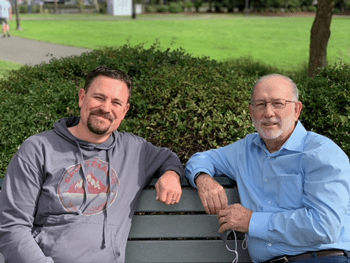
This fall, the occupants of 30 new micro-shelters in Salem will experience the goodness of DJ exercising his gift.
Learn more
Shelter Updates From Church at the Park
City, Church at the Park seek sponsors for transitional Housing
Pastor Works to Connect Churches With Community
Incarnational Training Framework: A Training Guide for Developing Incarnational Leaders in City Transformation
A version of this article first appeared on greenville.edu October 18, 2021.
 Morris Sampler