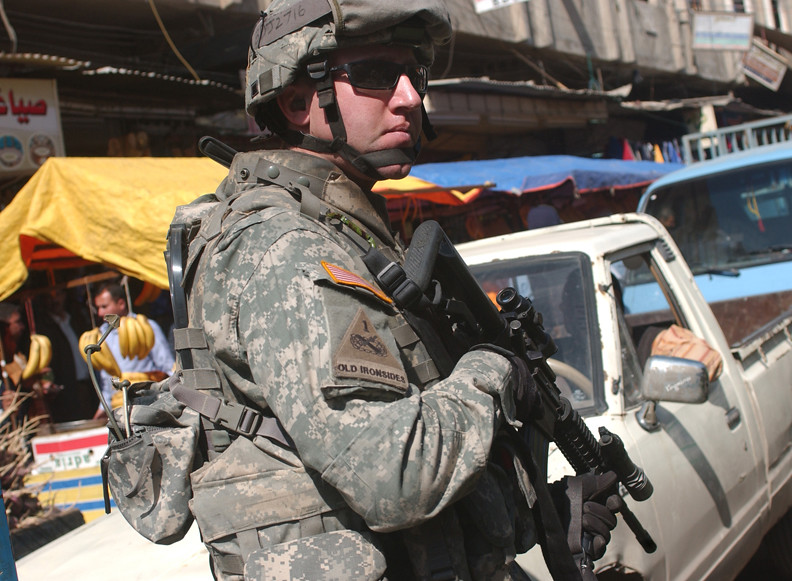
Yesterday, NPR reported that the battle for Mosul has just marked its eighth month. I recently edited my son’s recollection of his rough ride through that city. This is his story. Mosul: The Story Behind a Picture by Nick Morris.
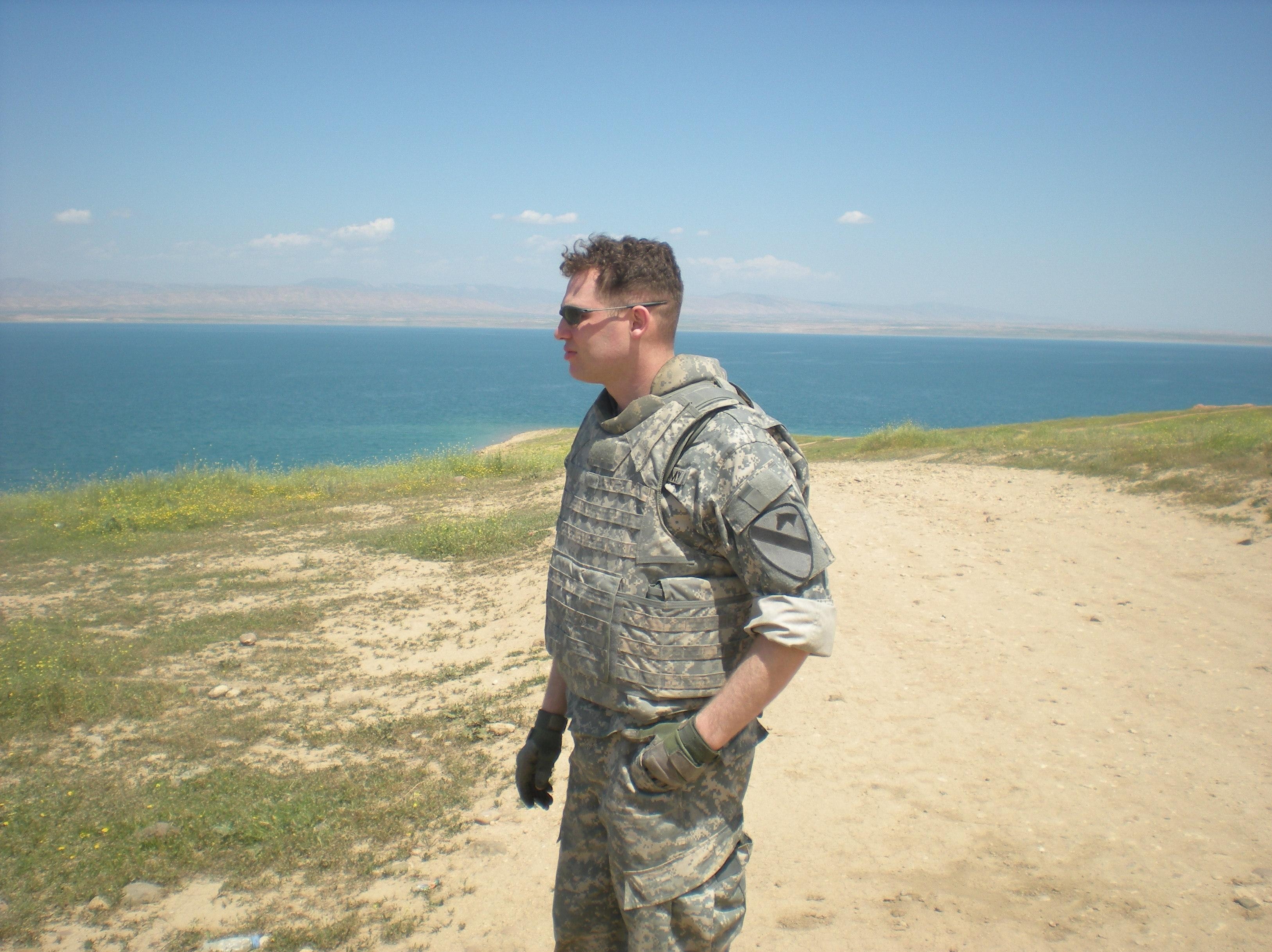
There is a picture of me standing tall, looking out over a lake of blue that matches her eyes.
She studies it for a moment—me, against the open water and the desert hills on the distant shore rising from a beach. They stand jagged against a pale sky baked brown by the blazing sun. Silver clouds stroke the heavens.
“How handsome you look,” she says.
She thinks the lake is pretty; she thinks the day is lovely. She doesn’t hear the whisper of the wind or the gulls calling. She doesn’t smell the moisture on the air, or hear the waves lapping against the shore. She doesn’t know . . .
Ragged
It was April, and the sun had just started to heat up the desert. My hair curled tightly atop my head, but I kept it cut short around my ears clean up the back of my neck to stay “professional.” I didn’t feel professional, though. I felt ragged. Dirty. I had just manned a gunner’s turret for two hours, keeping vigilant watch over the city of Mosul.
We left the bastion of Hesco barriers and concertina wire two hours before.
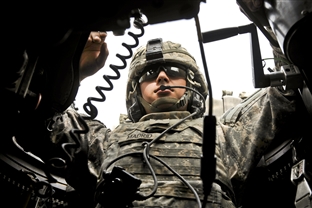
We left our plywood huts protected by solid mortar-proof “T” walls and “U” shaped concrete bunkers. We left our sandbag-reinforced guard towers, the familiar gym and PX. We left the hospital, aid station and bazaar where shopkeepers stacked bootleg DVDs and computer games on tables against a backdrop of colorful advertising that vaguely mimicked an American strip mall.
We drove toward the gate and the final protective line and past the gate guards with bandanas covering their faces. Dust clouds billowed from our truck tires and hung in the space between the Hesco walls and the serpentine road barriers and the spools of concertina wire.
We drove past the entry control tower and past the long barrel of a .50 caliber machine gun poking out from the gunwale. We drove over the dull side of the tire shredder surrounded by concrete and rebar and lumbered onto the Iraqi street.
We rattled around sharp corners and banged over crap-encrusted potholes. My hands sealed tight around “Maggie the Machine Gun,” gripping her double handles to keep her from bouncing clean over the gun mount. She and I danced as the driver dodged dozens of begging children and mascaraed women carrying baskets of flat bread and bushels of blankets. I held her closely as we limboed under low hanging wires and tangoed around tight corners of crowded city blocks. Like one, we waltzed our way across the waste-infested Tigris.
There, the real city began. The guard towers of FOB Diamondback faded in the distance—the turrets from which we watched housewives beat blankets on rooftops and children throwing rocks at each other from courtyard doorways. No more wire, no more barriers, no more “coalition” close by. Just four gun trucks and the city. The crowded city. The dirty city.
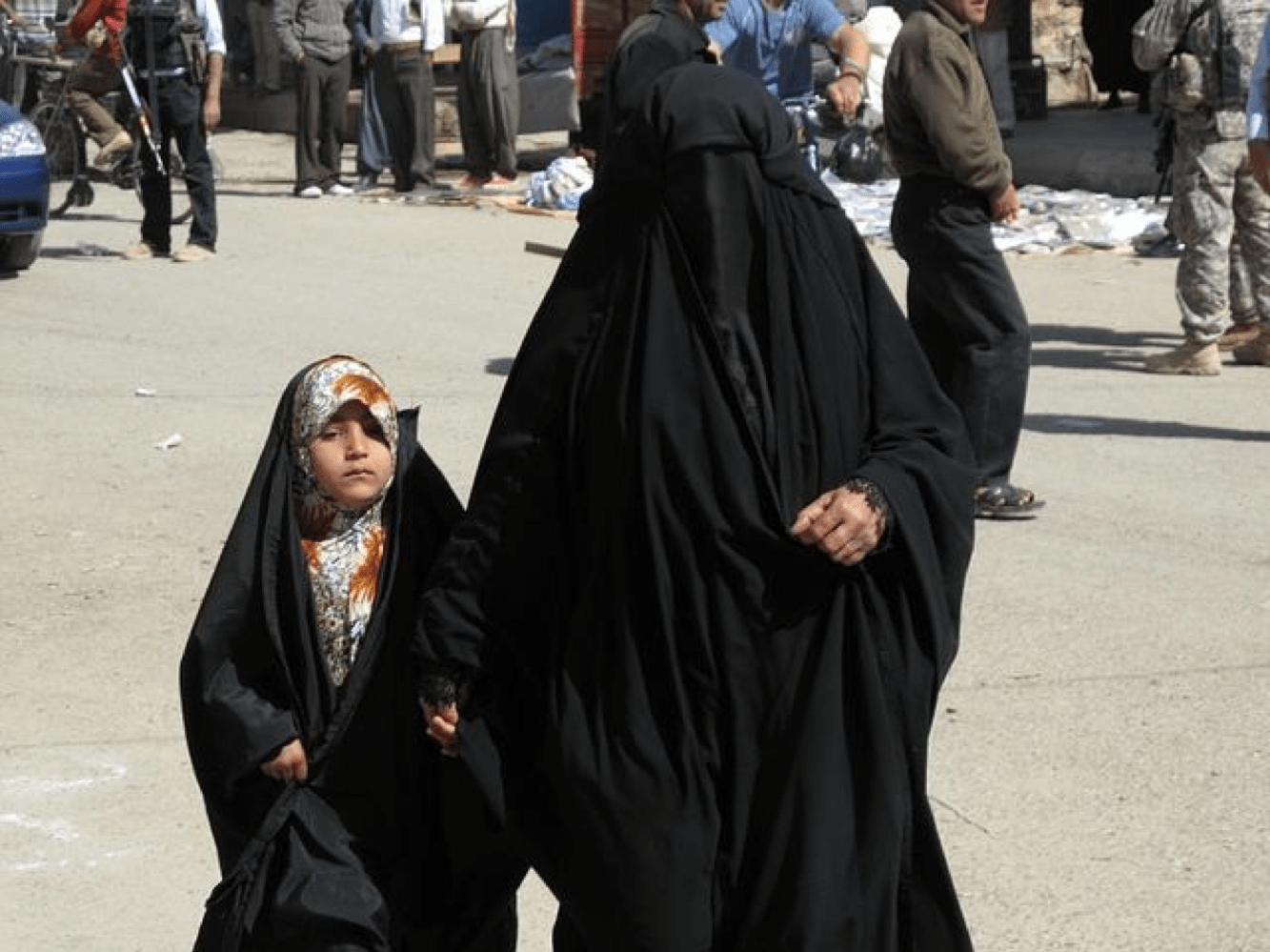
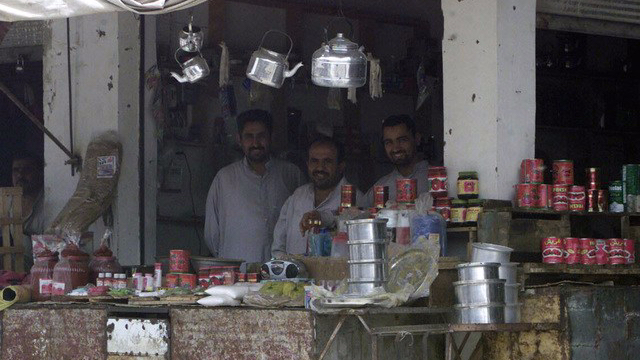
People packed the main street market where shopkeepers sold their wares—clothing, electronics, food—all the things one would expect to see while shopping, just minus “clean.” The fruit was undersized and rotted; the grain, wilted; the meat, stringy; the bread, burned. A jumble of three-story buildings butted up against each other. Tape held their cracked windows together. Remnants of advertising and patches of adhesive dotted broken billboards.
The shopkeepers and customers bartered vigorously over prices as pack mules pulled rickety donkey carts through the throng and always, on every corner, children raised their hands to me, a sign to feed their “needs.”
We worked our way through the marketplace to the highway through the city. We crossed intersections filled with trash, derelict cars along the roadside, and the occasional burn pit and shit field. The city had little plumbing; waste channeled into the Tigris and trash littered her banks.
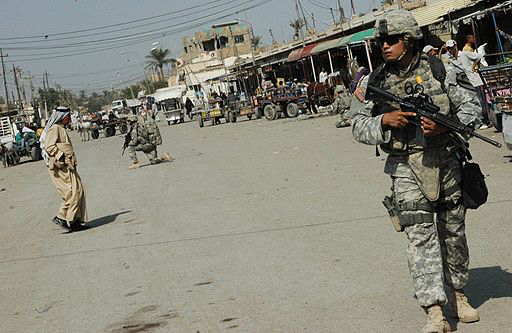
We rode through the university center that bordered Nineveh’s ancient ruins. Old bullet-holes racked the city walls along the road. Here, we could no longer dismount and patrol even under a bomb threat. We knew the enemy hid in the old city ruins; they, too, were off limits. The “rules” were as even-handed as the city was clean.
We followed the river until the roadway turned due north. The cross streets slipped by and the banks faded from view. North, out of the city, we rode past the grime of the sewer gutters, past the run down crumble of mud-thatched animal pens and the dried up wells and the weedy, dusty garden plots. We traveled north on the nominally paved road, past sickly beasts and rabid dogs and the remnants of vineyards—their staked boxes, a heaping ruin; their markers, slivered and rotted; their growth, a snare of tangled vine and ragged wire.
We rolled north, away from the Arab’s world; north, away from the dust and dirt of the desert city and into the irrigated terraces of the Kurds and the Pesh—green terraces with mended fences and well-tended animals and lush vineyards. We rolled north, into the quiet countryside and orderly traffic ways—north, to smiling farm children waving at us from their work with shovels and picks; north, to farm stands displaying fruit that shined, grain that glowed and freshly butchered meat wrapped carefully in paper. We rolled north.
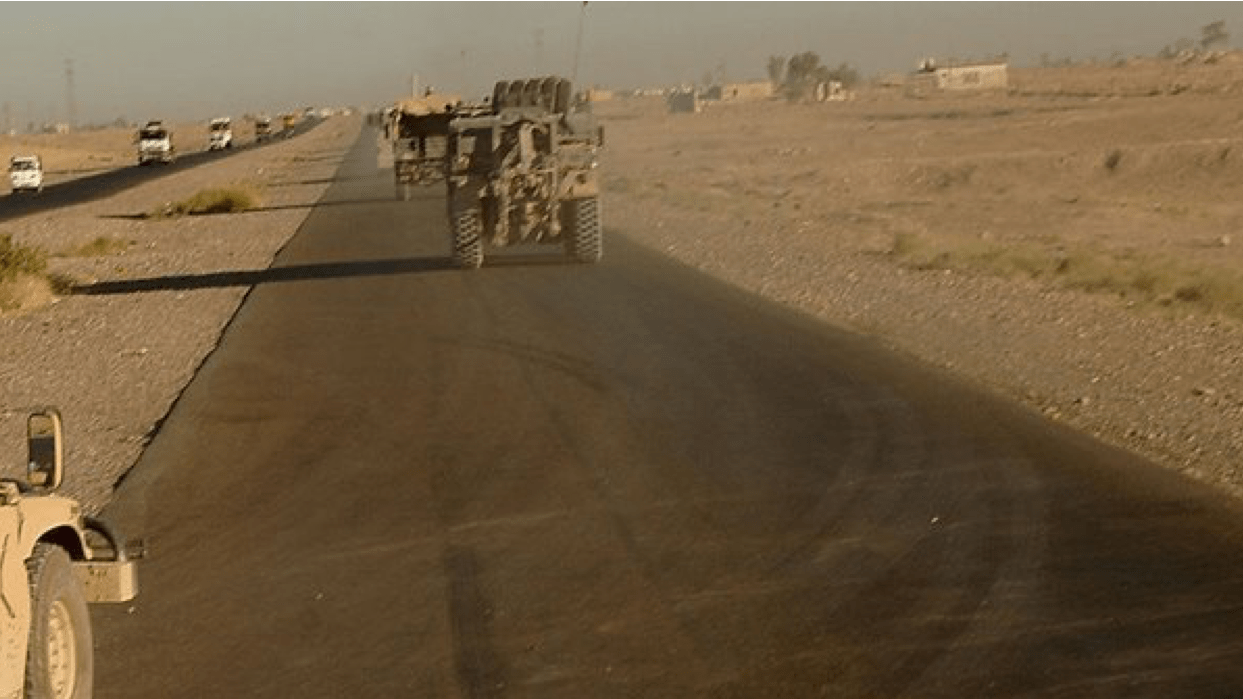
I released my thumb from Maggie’s butterfly trigger, and we ended our dance. The pavement was smooth; the potholes, filled; the edges, bricked off and curbed. When we rolled through the northern district villages of Nineveh Provence, no trash littered the roadside; no children begged. As the farms gave way to urbanized township blocks, an orderly hustle and bustle emerged.
Urban development faded away once more, and then we came to the lake. We stopped to take in the white sand, the blue water and fresh spring breeze. We dropped ramp and dropped kit.
There is a picture of me standing tall, looking out over a lake north of Mosul. The setting is peaceful. Desert hills rise to meet the noonday sky, and from across the open water, I hear the song of the waves. I stand quiet, my sleeves rolled up to my pockets. Free of my Kevlar helmet, my hair blows. I carry no weapon, no burdensome battle kit. My ballistic lenses reflect the sparkle of sunlight on water. I had forgotten that there were places such as this. I had forgotten beauty. I had forgotten that I was part of a greater tapestry created by a master artisan who intended beauty. I took a breath of clean air, and a friend snapped a picture.
Top photo: “mosul” by U.S. Army is licensed under CC BY 2.0.
 Morris Sampler